
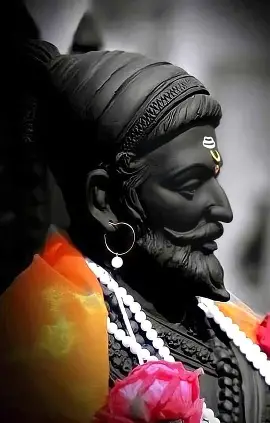
Early Life of Shivaji Maharaj biography
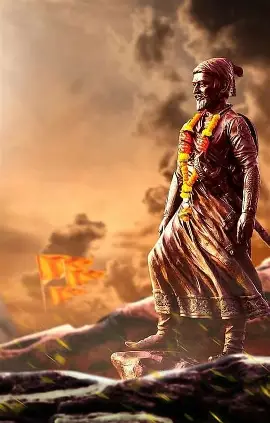
Shivaji Maharaj Biography occupies a towering place in Indian history as a leader who combined courage, intelligence, and ethical governance. Celebrated as the founder of the Maratha state, he transformed the political landscape of 17th-century India by establishing the ideal of Swarajya — self-rule grounded in justice, security, and dignity. His legacy extends beyond battles and forts, offering timeless lessons in leadership and nation-building.
Early Life –Shivaji Maharaj Biography – Rise to Power Foundations of Greatness
Born in 1630, Shivaji Maharaj biography grew up during a time of political uncertainty and regional power struggles. From a young age, he displayed remarkable determination and awareness. His mother, Jijabai, played a defining role in shaping his values, instilling discipline, moral clarity, and a deep sense of responsibility.
Surrounded by rugged landscapes and fortified strongholds, Shivaji developed a natural understanding of terrain, defense, and strategy. His early training equipped him with skills in administration, diplomacy, and warfare — abilities that later defined his rule.
The Vision of Shivaji Maharaj Biography– A Revolutionary Idea
At a time when vast empires dominated the subcontinent, Shivaji Maharaj introduced a bold vision: Swarajya. This was not merely political independence but a people-centered philosophy emphasizing: Chhatrapati Shivaji Maharaj – Visionary Leader of Swarajya
- Protection of civilians
- Fair taxation
- Religious tolerance
- Respect for women
- Accountable administration
Swarajya represented a system where governance served the welfare and honor of its subjects. Shivaji Maharaj’s achievement lay in transforming this vision into a functioning state.
Shivaji Maharaj Biography –Military Brilliance – Strategy Over Strength
Shivaji Maharaj Biography military success stemmed not from overwhelming numbers but from strategic innovation. He perfected guerrilla warfare, known as Ganimi Kava, which leveraged speed, surprise, and geographical advantage.
Hallmarks of His Warfare
✔ Swift, unexpected strikes
✔ Mastery of mountain terrain
✔ Flexible tactics
✔ Precision-based engagements
✔ Minimal resource wastage
Rather than engaging in prolonged conventional conflicts, Shivaji’s forces destabilized larger enemies through agility and intelligence. His campaigns demonstrated that superior strategy can outweigh sheer force.
Fort Strategy – The Backbone of Defense Shivaji Maharaj Biography – Ethical Leadership
Forts were central to Shivaji Maharaj’s military architecture. He recognized that fortified positions offered far more than protection; they provided logistical stability, command control, and psychological advantage.
Strategic Role of Forts
- Defense against invasions
- Secure storage of supplies
- Administrative coordination
- Rapid troop deployment
This network of forts created a resilient defense system that supported sustained resistance and territorial consolidation.
Naval Foresight – Command of the Coastline Shivaji biography
One of Shivaji Maharaj biography most forward-thinking initiatives was the development of naval power. While many contemporary rulers focused solely on land warfare, Shivaji understood the economic and strategic importance of maritime security.
Impact of Naval Development
✔ Protection of coastal territories
✔ Safeguarding trade routes
✔ Countering foreign threats
✔ Strengthening economic resilience
His emphasis on naval defense reflects a modern understanding of geopolitics centuries ahead of its time.
Governance – Discipline with Compassion
Shivaji Maharaj excelled as an administrator. His governance model balanced authority with fairness, ensuring that power operated within structured systems rather than personal whim.
Administrative Strengths
- Organized ministerial councils
- Efficient revenue systems
- Farmer protection policies
- Anti-corruption measures
- Strengthened judicial processes
His statecraft emphasized accountability, order, and accessibility. Governance under Shivaji Maharaj was firm yet humane.
Ethical Leadership – Power Anchored in Values Shivaji Maharaj Biography
A defining feature of Shivaji Maharaj’s rule was moral integrity. Even during warfare, he adhered to a strict ethical code.
✔ Respect for women
✔ Protection of religious institutions
✔ Humane treatment of civilians
✔ Discipline among officers
This ethical framework enhanced his legitimacy and fostered deep loyalty among followers. His leadership proved that strength guided by values commands enduring respect.
Shivaji Maharaj Biography – Leadership Lessons
Despite ruling in an era marked by sectarian conflicts, Shivaji Maharaj upheld religious pluralism. He ensured protection for diverse faiths and included people from different communities in administrative roles.
This inclusivity strengthened internal harmony and demonstrated pragmatic statesmanship — a critical factor in building a stable state.
Shivaji Maharaj Biography – Rise to Power
Shivaji Maharaj’s life offers insights that resonate across centuries.
1️⃣ Vision-Driven Leadership
Transformational change begins with a clear purpose.
2️⃣ Strategic Adaptability
Flexibility enables survival in uncertain environments.
3️⃣ People-Centric Governance
Trust and welfare sustain long-term authority.
4️⃣ Ethical Power
Integrity amplifies influence and credibility.
5️⃣ Resilience
Challenges become stepping stones with determination.
Enduring Legacy
Shivaji Maharaj’s influence transcends regional and historical boundaries. He remains a symbol of:
- Courage
- Self-respect
- Strategic brilliance
- Just governance
His contributions reshaped military doctrine, administrative systems, and political thought. More importantly, he inspired a spirit of dignity and autonomy that continues to echo in public consciousness.
Conclusion
Chhatrapati Shivaji Maharaj was far more than a warrior king. He was a visionary who redefined leadership through courage, intelligence, and justice. His creation of Swarajya offered not just independence, but a model of governance rooted in dignity and accountability. Today, his story continues to inspire leaders, thinkers, and citizens alike.